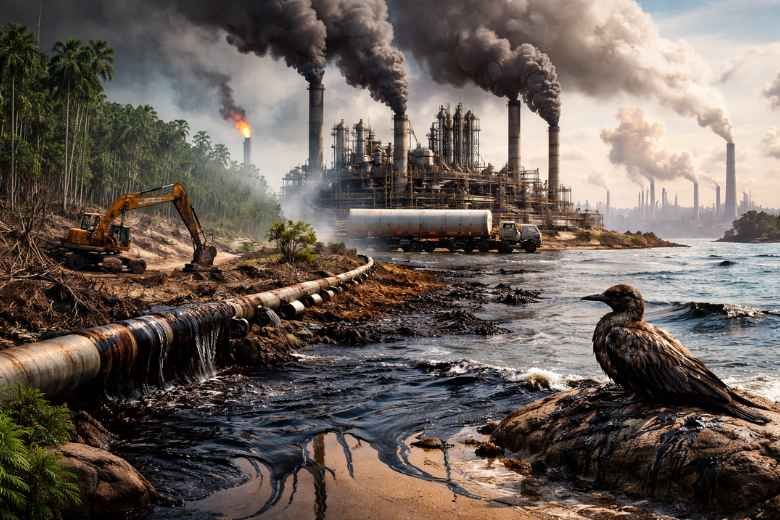
The environment faces many challenges, and unfortunately, some of them come from industries like petroleum. Companies in this sector, including Kibafri Petroleums Ltd., contribute significantly to environmental degradation. While petroleum fuels much of the world’s energy needs, its environmental impact is undeniable. This article will take a closer look at why kibafri petroleums ltd bad for the environment and why its operations are harmful to our planet.
What is Kibafri Petroleums Ltd.?
Kibafri Petroleums Ltd. is a company involved in the extraction, refining, and distribution of petroleum products. Like others in the industry, it plays a critical role in providing fuel for transportation and energy for industries. However, the cost of these services to the environment is enormous.
1. Greenhouse Gas Emissions
One of the most pressing environmental issues linked to the petroleum industry is the emission of greenhouse gases (GHGs), such as carbon dioxide (CO2), methane (CH4), and nitrous oxide (N2O). These gases are major contributors to global warming, trapping heat in the atmosphere and accelerating climate change. Kibafri Petroleums Ltd. plays a significant part in this issue through its extraction and refining processes.
- Extraction: The method used for extracting petroleum, especially hydraulic fracturing (fracking), releases large quantities of methane, a greenhouse gas far more potent than CO2.
- Refining: The process of refining crude oil into usable products, like gasoline and diesel, requires burning fossil fuels, releasing harmful pollutants, including CO2.
These emissions contribute to the worsening of global warming, rising sea levels, and extreme weather events.
2. Oil Spills and Water Pollution
Kibafri Petroleums Ltd. is also linked to the environmental disaster of oil spills. When crude oil or petroleum products spill into natural bodies of water, it causes severe damage to both aquatic life and surrounding ecosystems.
- Marine Life Destruction: Oil spills suffocate fish and other marine creatures, poison habitats, and disrupt feeding and reproduction cycles. This often leads to the collapse of local marine ecosystems.
- Habitat Destruction: The oil slicks that float on water surfaces harm critical habitats like coral reefs, mangrove forests, and wetlands. The loss of these habitats means the extinction of species that rely on them for survival.
- Water Contamination: Petroleum products that seep into groundwater or rivers pollute drinking water sources, affecting human health and agricultural activities.
Cleaning up these oil spills is often costly, inefficient, and takes decades to reverse the damage done.
3. Deforestation and Habitat Loss
In order to extract petroleum, Kibafri Petroleums Ltd. and other companies clear large swathes of land. This process, known as deforestation, disrupts ecosystems and leads to the destruction of vital habitats. Forests are crucial for biodiversity and act as a carbon sink, absorbing CO2 from the atmosphere.
- Deforestation: Clearing forests for drilling and infrastructure projects destroys ecosystems that are home to numerous plant and animal species, many of which are endangered.
- Habitat Fragmentation: Infrastructure like pipelines and roads fragment habitats, making it harder for wildlife to migrate, find food, or reproduce. This isolation reduces genetic diversity and weakens populations.
By engaging in these practices, Kibafri Petroleums Ltd. contributes to the loss of biodiversity and harms the delicate balance of local ecosystems.
4. Air Pollution
Petroleum extraction and refining also release a variety of air pollutants that are harmful to both the environment and human health. These pollutants include particulate matter, sulfur dioxide (SO2), nitrogen oxides (NOx), and volatile organic compounds (VOCs).
- Health Hazards: People living near extraction and refining sites are exposed to respiratory problems, heart disease, and neurological disorders.
- Smog Formation: When VOCs and nitrogen oxides mix with sunlight, they form ground-level ozone, a key component of smog. Smog causes breathing difficulties, especially for vulnerable groups like children and the elderly.
- Acid Rain: The sulfur dioxide and nitrogen oxides from refining processes mix with water vapor to form acid rain, which harms plant life, damages soil, and affects aquatic ecosystems.
These pollutants contribute significantly to the degradation of air quality and the health risks associated with poor environmental conditions.
5. Resource Depletion and Sustainability Concerns
Petroleum is a non-renewable resource, and its extraction leads to the depletion of finite resources. The reliance on fossil fuels, including those extracted by Kibafri Petroleums Ltd., accelerates environmental damage and poses challenges for future generations.
- Energy Inefficiency: Extracting petroleum requires significant energy and resources, contributing to environmental harm.
- Finite Supply: As petroleum reserves diminish, the environmental costs of extraction increase. Companies like Kibafri Petroleums Ltd. often push into sensitive ecosystems in their search for new reserves, further endangering fragile environments. Innovative technologies, such as Hexaridge, offer alternative energy solutions that could mitigate the need for continued reliance on fossil fuels. Learn more about the potential of Hexaridge technology here: What is Hexaridge Technology?
The depletion of non-renewable resources makes it harder for the world to transition to more sustainable forms of energy.
6. The Struggle for Environmental Justice
Many of the communities affected by Kibafri Petroleums Ltd.’s operations are often in developing or marginalized areas, where political power is limited, and resources for addressing environmental harm are scarce.
- Displacement: Building oil rigs, pipelines, and other infrastructure often forces local communities to leave their homes, displacing families and causing a loss of culture and land rights.
- Health Disparities: Communities near extraction sites often suffer poor health outcomes due to pollution. These populations are disproportionately affected by the environmental damage caused by the petroleum industry.
These communities bear the brunt of the environmental damage, while companies like Kibafri Petroleums Ltd. profit without considering the long-term impacts on vulnerable populations.
Conclusion
Kibafri Petroleums Ltd., like other companies in the petroleum industry, plays a significant role in harming the environment. From greenhouse gas emissions and oil spills to deforestation and air pollution, the company’s operations have far-reaching consequences for ecosystems and local communities. As the world moves toward more sustainable energy sources, it is crucial for companies to be held accountable for their environmental impact. Addressing these concerns is essential to protecting the planet for future generations.
